
Can Ortho-K Help Slow the Progression of Nearsightedness in Children?
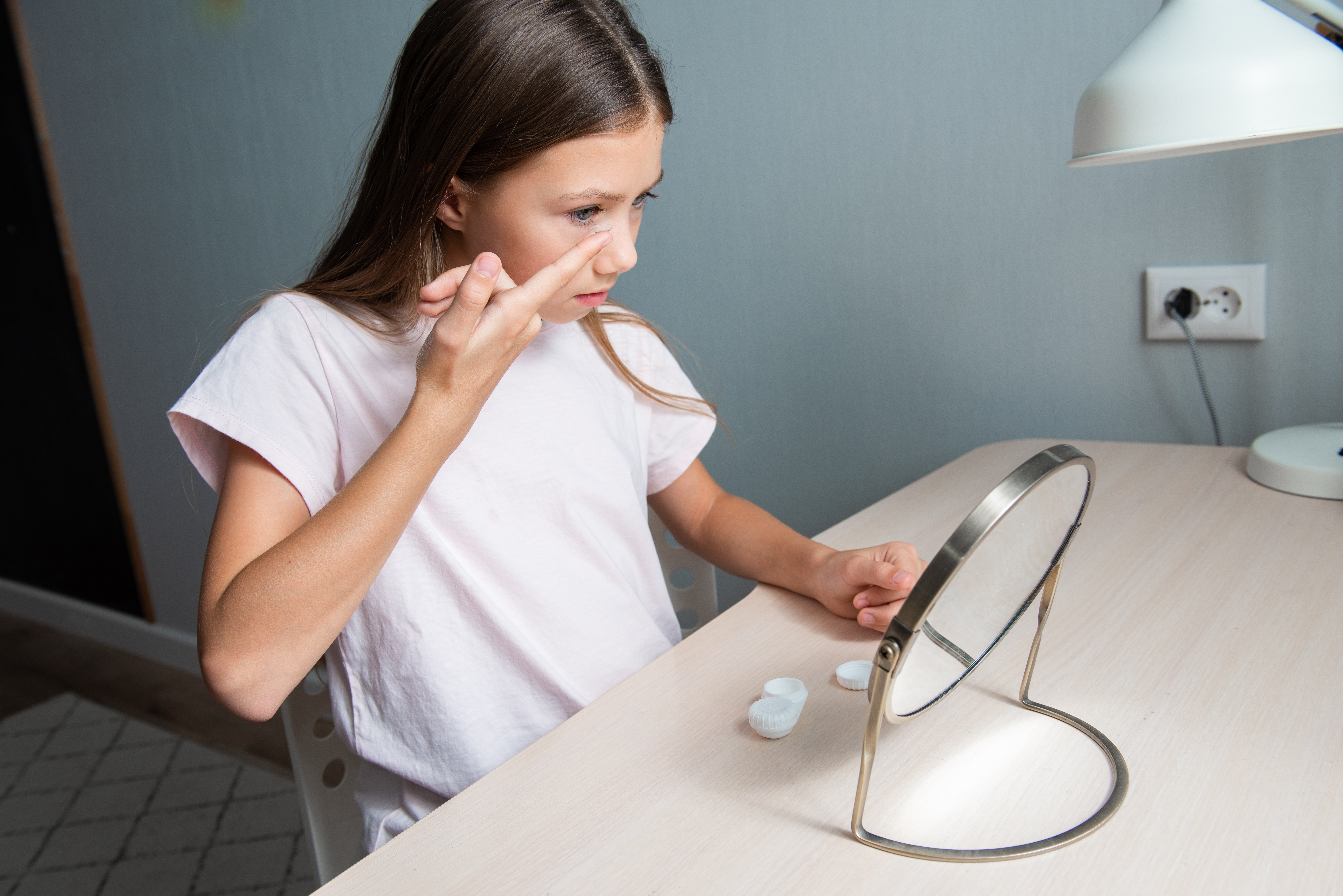
An updated glasses prescription every year can be a sign that a child's nearsightedness is progressing. Myopia often develops during school-age years as the eye grows longer, making distant objects increasingly blurry. At Dr. Tamara Maule & Associates in Boca Raton, FL, we help families understand options for slowing that progression, including orthokeratology (Ortho-K).
How Does Ortho-K Work?
Ortho-K uses specially designed, rigid gas-permeable contact lenses worn during sleep. They gently reshape the front surface of the eye, allowing many children to see more clearly during the day without wearing glasses or daytime contacts. The effect is temporary, so lenses generally need to be worn consistently overnight.
Our practice offers Paragon CRT, a form of Ortho-K also known as corneal refractive therapy. Unlike regular eyeglasses, which correct blurry vision while they are being worn, Ortho-K may also help manage the progression of childhood myopia.
Can Ortho-K Actually Slow Myopia Progression?
Yes. Clinical research shows that Ortho-K can slow the rate at which children's eyes grow longer compared with standard single-vision glasses. This lengthening, called axial elongation, is a major driver of worsening nearsightedness.
By changing how light focuses across the retina, Ortho-K may reduce axial elongation over time. Slower eye growth matters because higher levels of myopia are associated with a greater lifetime risk of retinal detachment, glaucoma, and other eye health problems.
Ortho-K does not cure myopia or guarantee that a child's prescription will stop changing. Results vary, and regular measurements help us assess how treatment is working.
Why Might Families Consider Ortho-K?
For children in Boca Raton who are active or dislike wearing glasses, Ortho-K offers several potential advantages:
· Clearer daytime vision without glasses or contact lenses for many wearers
· An evidence-based option for slowing childhood myopia progression
· Greater convenience during sports and other daytime activities
· A nonsurgical approach that can be adjusted as a child's needs change
These benefits depend on proper fitting, consistent overnight wear, and careful lens hygiene.
Who Is a Good Candidate?
Children whose prescriptions have been increasing may be candidates, particularly if they can follow a nightly lens routine with parental support. During an evaluation, we consider age, prescription, corneal shape, eye health, and how quickly myopia has changed. Not every child is a suitable candidate.
Detailed corneal measurements help us determine whether CRT lenses are appropriate. We also explain realistic expectations and discuss other myopia management options when needed.
What Should Parents Expect After Fitting?
Ortho-K requires follow-up appointments to check vision, lens fit, corneal health, and myopia progression. Handwashing, approved lens-care solutions, and keeping lenses away from tap water are essential because overnight contact lens wear carries an infection risk. If a child develops eye pain, redness, or unusual light sensitivity, stop lens wear and contact an eye care professional promptly.
If your child's nearsightedness is getting worse, schedule a myopia management evaluation with Dr. Tamara Maule & Associates in Boca Raton, FL, by calling (561) 477-3524.
Helpful Articles

All Eye Care Services
Find personalized eye care excellence with our comprehensive services. From eye exams to advanced diagnostics, trust us for all your vision needs.
Keep In Touch
For non-urgent questions or to learn more about our services, contact us today!
Quick Links
Our Services
Contact Info
- 8903 Glades Rd. Suite A1
Boca Raton, FL 33434 - Phone: (561) 477-3524
- Fax: (561) 477-3576
Hours of Operation
- Monday 10:00am - 5:30pm
- Tuesday 10:00am - 5:30pm
- Wednesday 10:00am - 5:30pm
- Thursday 10:00am - 5:30pm
- Friday 10:00am - 5:30pm
- Saturday 10:00am - 5:00pm
- Sunday 12:00pm - 4:00pm
- Monday
- Tuesday
- Wednesday
- Thursday
- Friday
- Saturday
- Sunday
- Monday
- Tuesday
- Wednesday
- Thursday
- Friday
- Saturday
- Sunday
© 2026 Dr. Tamara Maule & Associates. All rights Reserved - Accessibility Statement - Privacy Policy - Sitemap
Managed and Designed by 